
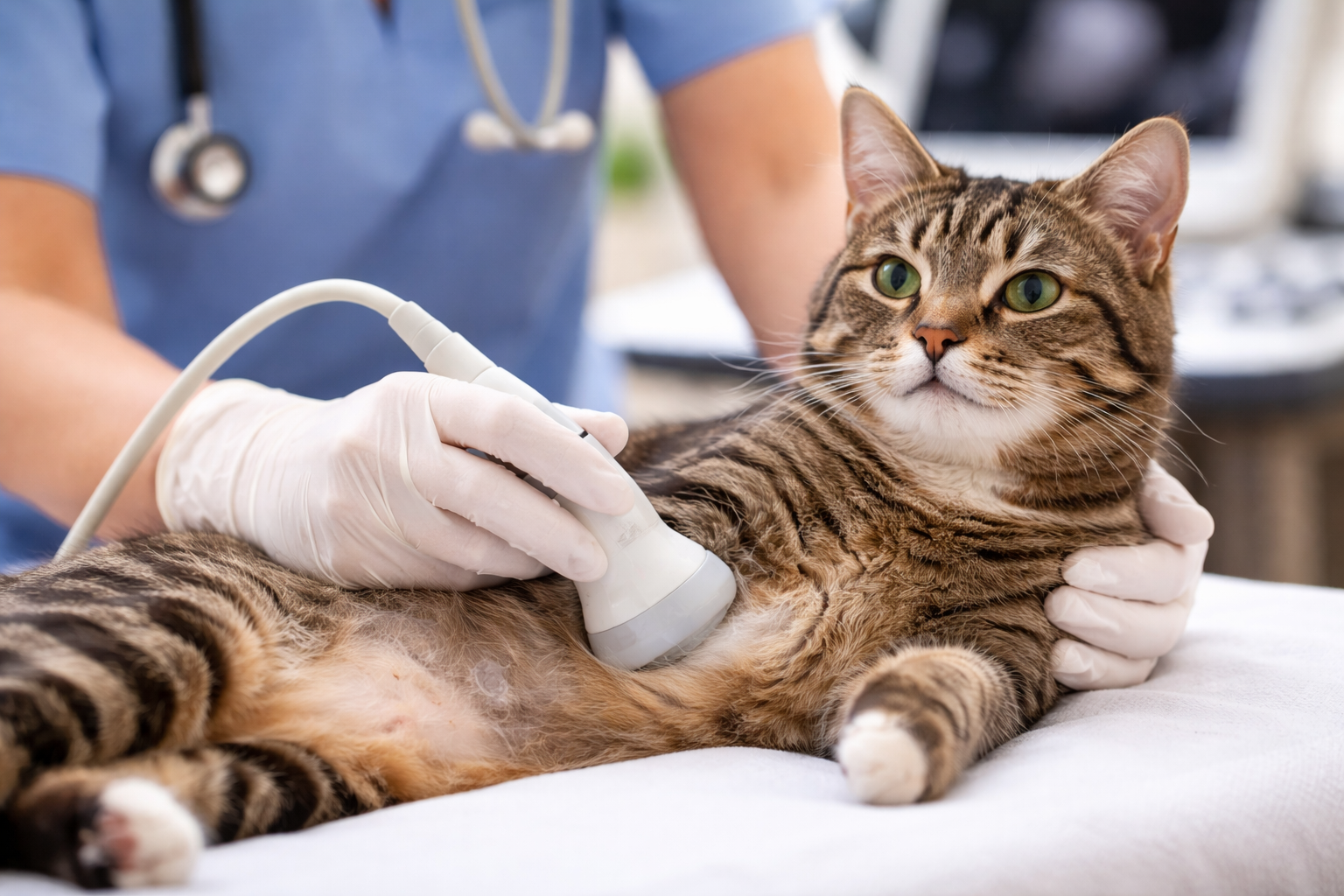
The relationship between British households and their feline companions has always been one of deep affection, but as of 2026, it is also one of strict legal responsibility. For years, dog owners were the only ones bound by mandatory microchipping regulations. However, following a significant legislative shift, cat owners across England are now under the same scrutiny.
If you are a cat owner in the UK, understanding these laws isn’t just about being a responsible “pet parent”—it’s about avoiding hefty financial penalties and ensuring that your cat has a legal identity.
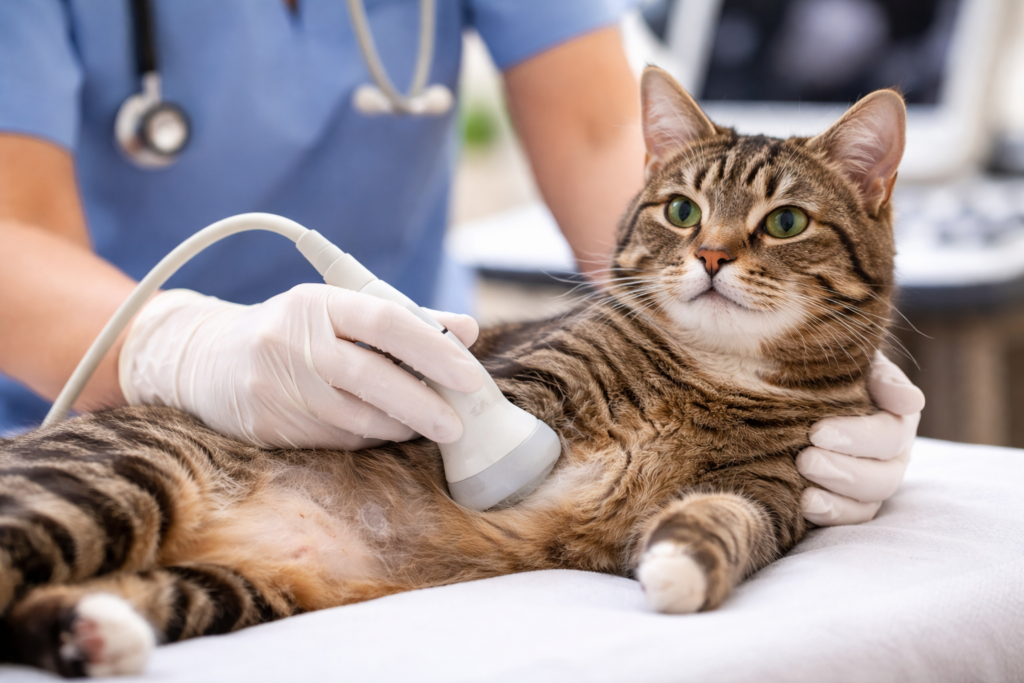
The 2024 Deadline and the 2026 Reality
The journey to mandatory microchipping reached its peak on 10 June 2024. This was the hard deadline set by the UK government, requiring all pet cats in England to be microchipped. As we move through 2026, the law is now in full “enforcement mode.”
The regulation applies to all pet cats once they reach 20 weeks of age. Whether your cat is a wandering outdoor adventurer or a pampered indoor-only British Shorthair, the law makes no distinction: they must be chipped. The only exceptions are “free-living” cats, such as feral or community cats that have little to no human dependency.
How the £500 Fine Works
The UK government didn’t just suggest microchipping; they backed it with a financial deterrent. If a cat is found to be unchipped, the process isn’t an immediate fine, but it is a strict one:
- The Notice: If a local authority officer or relevant official discovers your cat is not microchipped, you will be issued an official notice.
- The 21-Day Grace Period: You are given exactly 21 days to have a microchip implanted.
- The Fine: If you fail to comply within that three-week window, you can be fined up to £500.
In 2026, local councils are more proactive in scanning cats during routine visits or following “stray” reports, making it more important than ever to ensure you are compliant.
The Microchipping Procedure: What to Expect
Many owners worry that microchipping is a painful surgery. In reality, it is a quick, simple procedure that takes seconds. A tiny chip, roughly the size of a grain of rice, is inserted under the skin between the shoulder blades using a specially designed needle.
Most cats react no differently than they would to a standard vaccination. There is no recovery time needed, and once the chip is in place, your cat won’t even know it’s there. The cost usually ranges between £15 and £30 at most UK vet practices, though many charities like Cats Protection or the Blue Cross offer low-cost sessions.
Why ‘Indoor Only’ Cats Aren’t Exempt
A common mistake UK owners make is thinking, “My cat never goes outside, so they don’t need a chip.” This is legally incorrect and practically risky.
The law states that all owned cats must be chipped. From a safety perspective, indoor cats are often the ones most at risk if they accidentally slip out of an open window or door. Because they aren’t used to the “outside world,” they are more likely to panick and get lost. Without a microchip, a rescue centre has no way of knowing that the terrified cat they just found belongs to a loving home three streets away.
Updating Your Details: A Legal Requirement
Having the chip is only half the battle. The law also requires that the contact details stored on the database are accurate and up-to-date.
If you move house or change your mobile number and fail to update the microchip registry, you are technically in breach of the regulations. If your cat is found and the vet calls a disconnected number or an old address, the chip is useless.
How to update your details:
- Identify your database: Look at your original paperwork or use a UK microchip lookup tool with your cat’s 15-digit ID number.
- Contact the provider: Common UK databases include Petlog, Identibase, and PETtrac.
- Pay the admin fee: Some databases charge a small one-off fee (around £15) to change details, while others offer premium “lifetime” update plans.
A Must-Know Checklist for 2026 Owners
- Check the Age: Is your kitten 20 weeks old? If yes, they need a chip now.
- Verify the Chip: If you adopted a cat, don’t assume they are chipped. Ask your vet to scan them at their next check-up.
- Paperwork: Keep your cat’s 15-digit microchip number in a safe place (or saved on your phone).
- Database Check: Log in to your database once a year just to ensure your phone number is still correct.
Frequently Asked Questions
Does microchipping replace the need for a collar?
No. While a microchip is a permanent ID, a collar with an ID tag is still the fastest way for a neighbour to return your cat. However, collars can break or get lost; the microchip is your permanent backup.
Can I microchip my cat myself?
Absolutely not. By law, a microchip must be implanted by a trained professional, such as a veterinarian, a veterinary nurse, or a person who has received government-approved training.
What if I live in Scotland, Wales, or Northern Ireland?
As of early 2026, the mandatory microchipping law primarily applies to England. However, legislation is under constant review in the devolved nations, and vet associations across the entire UK strongly recommend microchipping regardless of the local law.
Will the microchip track my cat’s location?
No. A microchip is not a GPS tracker. It is a “passive” device that only gives out information when scanned by a microchip reader. It does not use batteries and will last for your cat’s entire life.